Automotive Plastic Shredder Machine for Bumpers & Interior Parts
PP bumpers, ABS dashboards, trims and battery casings — from OEM reject lots to dismantled end-of-life vehicles, shred bulky automotive plastic into recyclable regrind with machines built in Mumbai since 1985.
The Automotive Plastic Waste Challenge
A modern car is a rolling plastics catalogue: PP bumper fascias and battery casings, ABS and ABS/PC dashboards and consoles, door trims, grilles, wheel-arch liners, lamp housings. The waste comes from two directions. Upstream, OEMs and tier-1 molders generate paint-line rejects, warranty-return parts, end-of-series stock and damaged components that must be destroyed — often with a documentation requirement so rejected parts never re-enter the spares market. Downstream, vehicle dismantlers strip the same parts from end-of-life vehicles, a stream growing fast as India’s vehicle scrappage policy channels old vehicles into registered scrapping facilities.
The handling problem is size and toughness. A bumper is nearly two metres of impact-engineered PP copolymer that springs back from a blade designed for brittle plastic; a dashboard is a deep, awkward ABS shell that will not lie flat in any hopper. Whole parts devour storage space — a few dozen bumpers fill a truck — while recyclers pay proper rates only for shredded or ground material, sorted by polymer. Add paint films, metal clips and fasteners that must be dealt with before the regrind is worth molding-grade money, and the case for a purpose-chosen shredding line writes itself.
The Right Shredding Approach for Automotive Plastics
Bulky, tough parts call for primary shredding before any grinding. The S3-600 single shaft shredder is built for exactly this class of material: a 600 × 1000 mm side-feeding hopper, a rotor turning at a low 80 rpm, and 26 hardened blades that take 300–500 kg/hr depending on material density. Low rotor speed means high torque and controlled cutting on parts that flex and fight back. Oversize items like full bumper fascias are sectioned to hopper size before feeding — we confirm the feed approach for your specific parts at a trial.
Where the stream is mixed — trims, casings, smaller moldings from a dismantling line — a dual shaft shredder covers general automotive plastic scrap. For molding-grade output, shredded material passes through an RE-series plastic grinder: the larger RE25–RE40 models grind any plastic below their 25″–40″ throat at 400–1,200 kg/hr through a customisable mesh, producing uniform regrind that compounders and molders buy at polymer rates. One discipline is non-negotiable: strip metal clips, bolts and inserts before the grinding stage — metal in the cutting chamber breaks grinder blades. Sort by polymer (PP separate from ABS) and the regrind earns its best price.
Automotive Plastic Shredding Process — From Part to Regrind
- Dismantling & polymer sorting Parts are stripped from vehicles or reject lots and sorted — PP bumpers and casings separate from ABS interiors
- Metal removal Clips, bolts, brackets and inserts are stripped out — metal breaks grinder blades and contaminates regrind
- Sectioning oversize parts Full bumpers and large shells are cut to fit the 600 × 1000 mm shredder hopper
- Primary shredding The single shaft rotor reduces tough parts to shredded pieces at 300–500 kg/hr
- Secondary grinding Shredded material is ground through a screened mesh into uniform, molder-ready regrind
- Regrind dispatch Polymer-sorted regrind goes to compounders and molders for new automotive and general parts
Recommended Machines for Automotive Plastic Shredding
A single shaft for tough bulky parts, a dual shaft for mixed streams, and large grinders for molding-grade regrind.
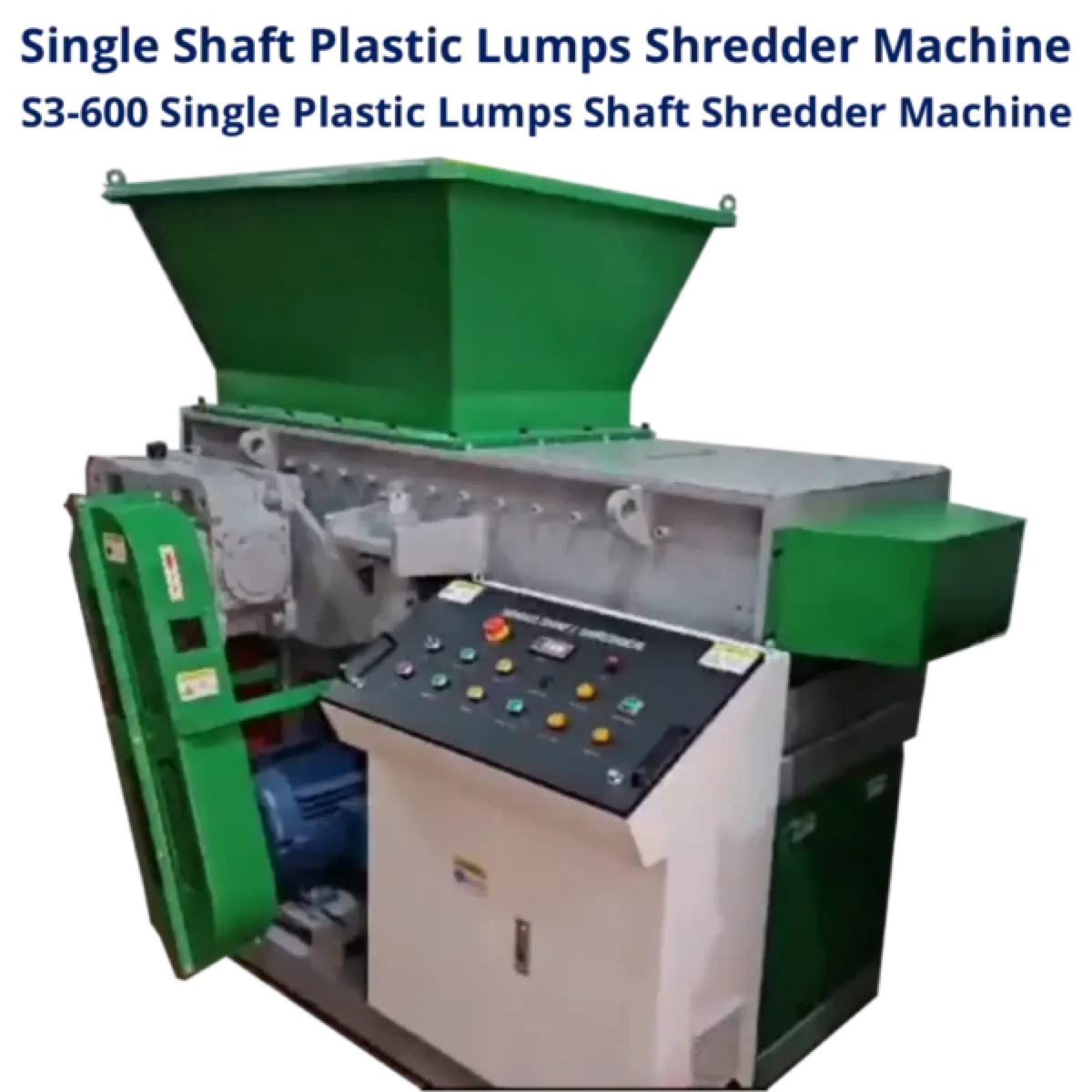
Single Shaft Shredder — S3-600
Single shaft shredder · 24-hr continuous duty
- Capacity: 300–500 kg/hr (material-density dependent)
- Drive: 22 kW, 415 V, 3 phase
- Feeding: 600 × 1000 mm side hopper
- 26 rotary + 2 fixed hardened blades
Best for: bumpers, dashboards and tough bulky parts — sectioned to hopper size and shredded in volume.
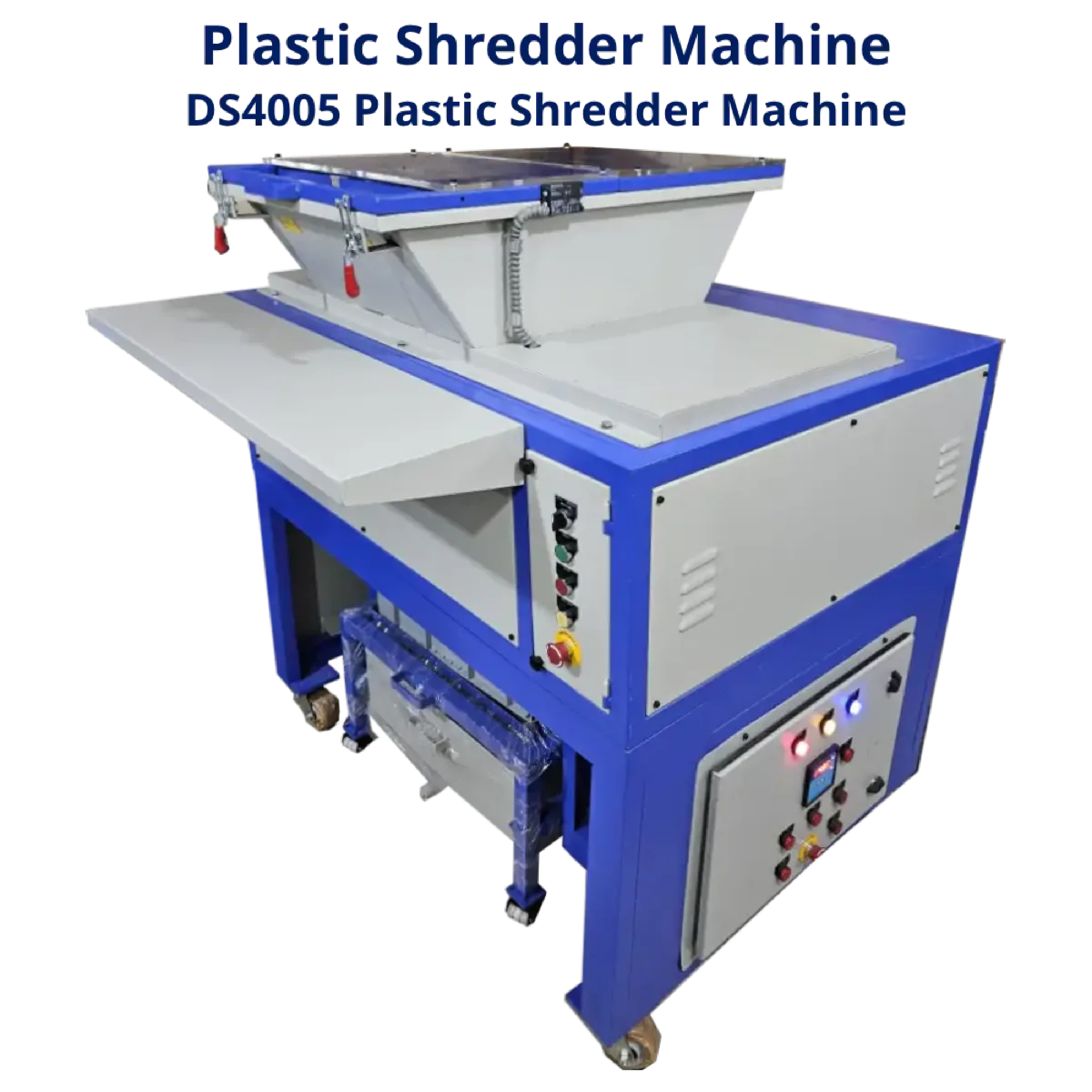
Dual-Shaft Shredder
Dual shaft shredder · all-rounder
- Capacity: sized to your stream
- Power: sized to the model
- MS build; SS-grade option available
Best for: dismantlers shredding mixed trims, casings and smaller moldings alongside other plastic scrap.
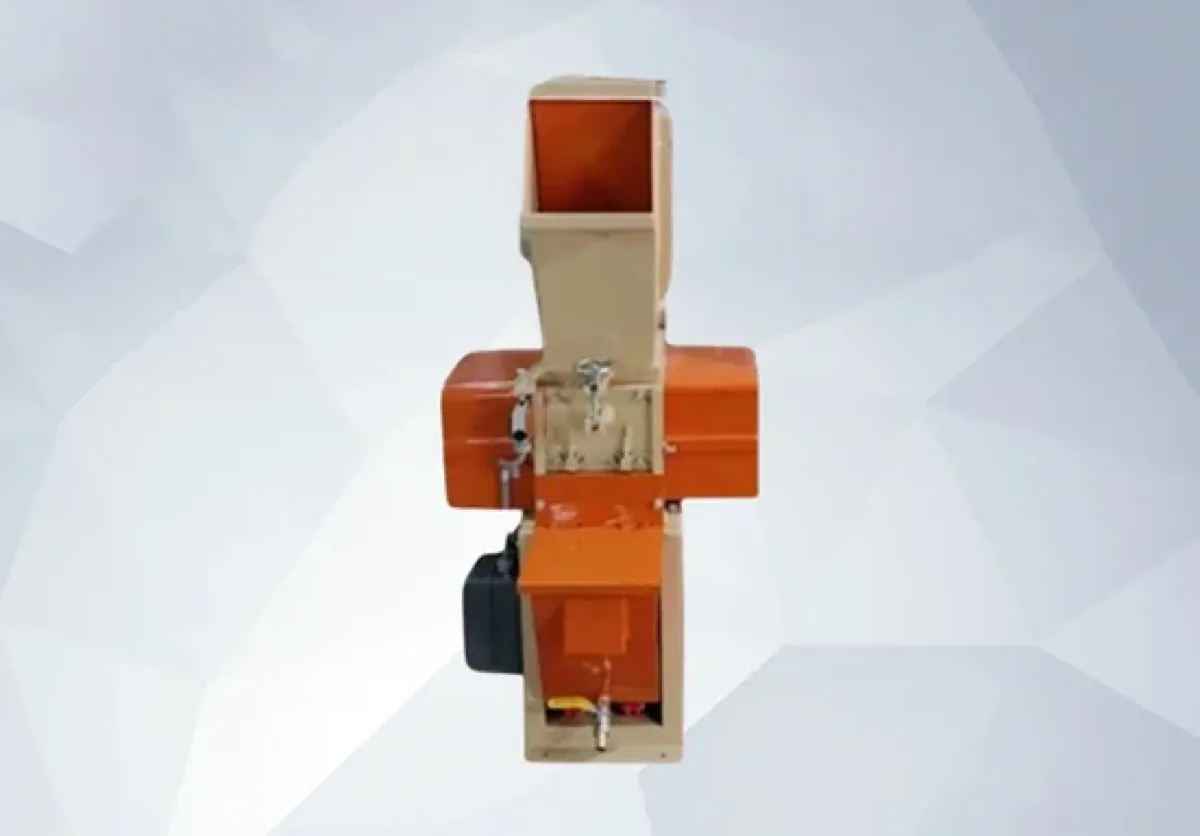
Plastic Grinder — RE25 / RE30
Blade-type grinder · molding-grade regrind
- Capacity: 400–800 kg/hr
- Power: 25–30 HP
- Grinds any plastic below 25″/30″
- 5 blades per set; overload-protection starter
Best for: converting shredded, metal-free PP and ABS into uniform regrind that molders buy.
Technical Specifications Comparison
| Specification | S3-600 Single Shaft Shredder | Dual-Shaft Shredder | Plastic Grinder RE25/RE30 |
|---|---|---|---|
| Machine type | Single shaft shredder | Dual shaft shredder | Blade-type grinder |
| Motor power | 22 kW, 415 V, 3 phase | Sized to the model | 25–30 HP |
| Capacity | 300–500 kg/hr | Sized to your stream | 400–800 kg/hr |
| Feed / throat | 600 × 1000 mm side hopper | Manual feeding, top hopper | 25″ × 25″ / 30″ × 30″ throat |
| Cutting system | 26 rotary + 2 fixed blades, 80 rpm | Interlocked dual shaft blades | 5 blades (3 rotating, 2 fixed) |
| Output | Shredded pieces for grinding | Uneven shred size | Uniform regrind via mesh |
| Best for | Bumpers, dashboards, bulky parts | Mixed trims and casings | Final molding-grade regrind |
| Get Quote → | Get Quote → | Get Quote → |
Not sure which machine fits your automotive scrap?
Tell our technical team which parts you process, your monthly volumes and the output your buyer wants — we’ll recommend the right line, free.
Why Choose Raj Electricals
A Mumbai machine builder since 1985 — with an automobile shredders category in our legacy line and supply credentials that include automotive names like Skoda.






Frequently Asked Questions
Which plastics from a car are worth recycling?
The big, recoverable streams are PP and ABS. PP dominates by weight — bumper fascias, battery casings, wheel-arch liners, many under-bonnet parts — and reprocesses well into new molded goods. ABS and ABS/PC come from dashboards, consoles, grilles and interior panels, and clean ABS regrind commands strong prices from compounders. Smaller streams (PC lamp lenses, PA clips, PVC cabling) are usually sorted out separately. The rule that drives realisation: keep polymers separate, because a mixed PP/ABS shred sells for far less than two sorted streams.
Can a car bumper shredder handle painted bumpers?
Shredding painted bumpers is no problem mechanically — the machine cuts the part, paint and all. The consideration is downstream quality: paint film fragments remain in the regrind, and molders running visible or high-spec parts may discount or pre-treat painted regrind. Some buyers accept painted PP regrind for non-appearance applications; others require paint removal at the washing or compounding stage. Our advice is to confirm what your regrind buyer accepts, and to run a trial lot of your painted parts so the output is judged on real material.
A bumper is bigger than the shredder hopper — how does it go in?
By sectioning. The S3-600’s side-feeding hopper accepts pieces up to 600 × 1000 mm, so a full fascia is cut into two or three panels with a hand saw or cutter before feeding — a few seconds’ work that dismantlers fold into the stripping routine. Once inside, the low-speed rotor takes the tough PP without drama. If your operation handles very high bumper volumes and you want to minimise pre-cutting, talk to us about feed-opening options — machine configuration is part of our single shaft line‘s customisation scope.
What about metal clips, bolts and inserts in automotive parts?
Strip them before grinding — this is the discipline that protects your blades and your output price. Dashboards and bumpers carry steel clips, brackets, captive bolts and occasionally wiring. Metal in a blade grinder breaks blades; metal fragments in regrind get whole lots rejected. The practical line order is: remove visible metal at dismantling, shred, then screen the shredded material (a magnet over the conveyor or output catches stragglers) before it enters the grinder. We cover the metal-removal stage during installation and operator training.
What capacity does a vehicle dismantler or OEM reject store need?
Estimate your monthly plastic tonnage and the answer usually falls out. A dismantling line recovering plastic from several vehicles a day generates hundreds of kilograms of mixed parts; an OEM destroying reject lots works in batch campaigns. The S3-600 at 300–500 kg/hr clears roughly 2.5–4 tonnes in a single shift; a dual shaft shredder suits steadier, smaller streams. Size with headroom for the lumpy arrival pattern of reject lots. Our machine selection guide walks through the calculation, or send us your numbers.
How much does an automotive plastic shredder machine cost in India?
Every machine is quoted to the job. What moves the number is capacity, throat size, motor rating, MS or SS construction and the automation you add — a blower, a conveyor, a control panel. Our guide to what drives machine cost walks through each of those; send us your material and daily volume and we will size the machine and quote it, usually the same day.
We’re an OEM — can rejected parts be destroyed verifiably?
Yes — physical shredding is exactly how OEMs ensure rejected and warranty-returned parts never re-enter the market as spurious spares. Once a bumper or dashboard has passed through the shredder it is unrecognisable and unusable, and the output goes onward as recycling feedstock. If your quality system requires witnessed destruction or photographic records of each lot, tell us at the enquiry stage so the working procedure is set up accordingly. Contact us to discuss your destruction protocol and arrange a demonstration.
Get a Free Quote for an Automotive Plastic Shredder
Tell us which parts you process, your monthly tonnage and the output your buyer wants — our technical team responds with a machine recommendation and firm pricing, usually within one working day. No spam, no obligation.
102/103/104, Madhu Industrial Estate, Old Nagardas Road, Mogra Lane, Andheri East, Mumbai – 400069
Mon–Sat, 9:00 AM – 7:00 PM
Related Solutions
E-Waste Plastic Shredder
ABS and HIPS housings from electronics — the other big dismantler plastic stream.
Learn more →
Plastic Drum & Barrel Shredder
Another bulky-part problem solved the same way — shred 50–200 L drums before granulation.
Learn more →
ABS Plastic Shredding
The material behind dashboards and consoles — ABS shredding and grinding in depth.
Learn more →