Non Woven Bag Shredder Machine for PP Fabric Recycling
Cutting-table offcuts, roll ends, printed rejects and returned bag stock — shred PP non-woven fabric into recyclable material with a dual shaft non woven bag shredder built in Mumbai since 1985.
The Non-Woven Bag Waste Challenge
Non-woven bags look like cloth but they are plastic — spunbond polypropylene (PP) fabric, pressed from fibres rather than woven from tape. When retail bans tightened around thin polythene carry bags, non-wovens filled the gap, and bag-making units multiplied across India. Every one of those units generates a steady stream of waste: side trims from the cutting table, roll ends that are too short to convert, misprinted and stitch-rejected bags, and colour-changeover fabric that never becomes a sellable bag.
The regulatory side has moved too. The Plastic Waste Management Rules now prescribe a minimum GSM for non-woven carry bags, which left manufacturers and traders holding stock of non-compliant bags that cannot be sold and must be responsibly recycled. The material itself is the obstacle: non-woven fabric is light, fluffy and tough for its weight. Loose bags occupy enormous storage space for very little weight, and the fabric resists tearing in undersized machines — it tangles, wraps and stalls rotors that were designed for rigid scrap. PP recyclers will happily buy the material, but only once it is shredded into a form they can densify and pelletize.
The Right Shredding Approach for Non-Woven Fabric
Fabric-type waste needs a machine that grips and tears rather than slices. That is why our non woven fabric shredder is a dual shaft design: two counter-rotating shafts with interlocked blades pull the fabric in and shear it between the blade edges, so bags cannot ride on top of the cutting chamber or wrap around a single high-speed rotor. Raj Electricals has been shredding PP non-woven bags on dual shaft machines for years — it is a documented application in our legacy machine line, not an experiment.
The dedicated Non-woven Bags Shredder is configured against your material — bag GSM, whether you feed loose bags or roll ends, and the daily volume — which is why we ask for a sample before quoting a build. Where non-woven is one stream among many plastic wastes, our dual shaft shredders cover bags alongside bottles, crates and general scrap. The dual shaft output is an uneven shredded strip; if your buyer wants a denser, more uniform regrind, a second-stage RE-series plastic grinder can size it further before densification. All machines are all-metal construction with no plastic parts, built for continuous operation, and export-voltage motors are available on request.
Non-Woven Bag Shredding Process — From Offcut to PP Regrind
- Collection & sorting Offcuts, roll ends and reject bags are gathered; laminated or heavily printed fabric is kept as a separate lot
- Foreign-object check Metal eyelets, staples and stray hardware are removed — metal damages blades and contaminates the regrind
- Dual shaft shredding Bags and fabric are fed in loose; interlocked blades grip and tear the PP fabric into shredded strips
- Optional second-stage grinding Where a finer, denser output is needed, shredded fabric passes through a plastic grinder
- Densification Downstream, the light shredded fabric is agglomerated or densified to give it melt-processable bulk density
- Pelletizing & reuse Densified PP is pelletized into granules for molded products, sheets and non-critical PP applications
Recommended Machines for Non-Woven Bag Shredding
A dedicated bag shredder, an all-rounder dual shaft, and a grinder for second-stage sizing. Full details on each machine page.
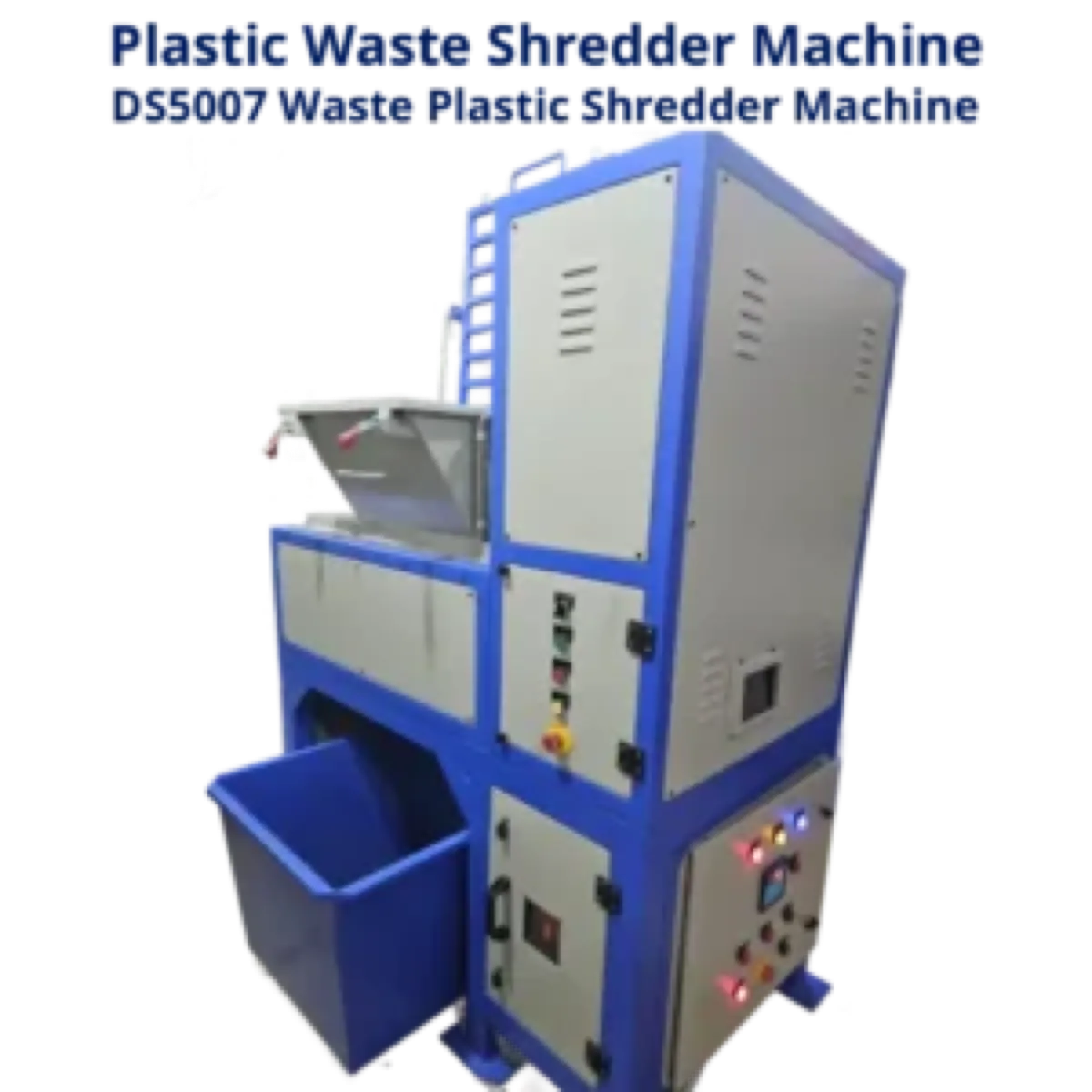
DS5007 Dual-Shaft Shredder
Dual shaft shredder · built to your bag spec
- Dual shaft design for PP non-woven fabric
- All-metal construction, no plastic parts
- Sized against your bag GSM and volume
- Specifications shared on enquiry against a material sample
Best for: non-woven bag manufacturers and dedicated PP fabric recyclers.
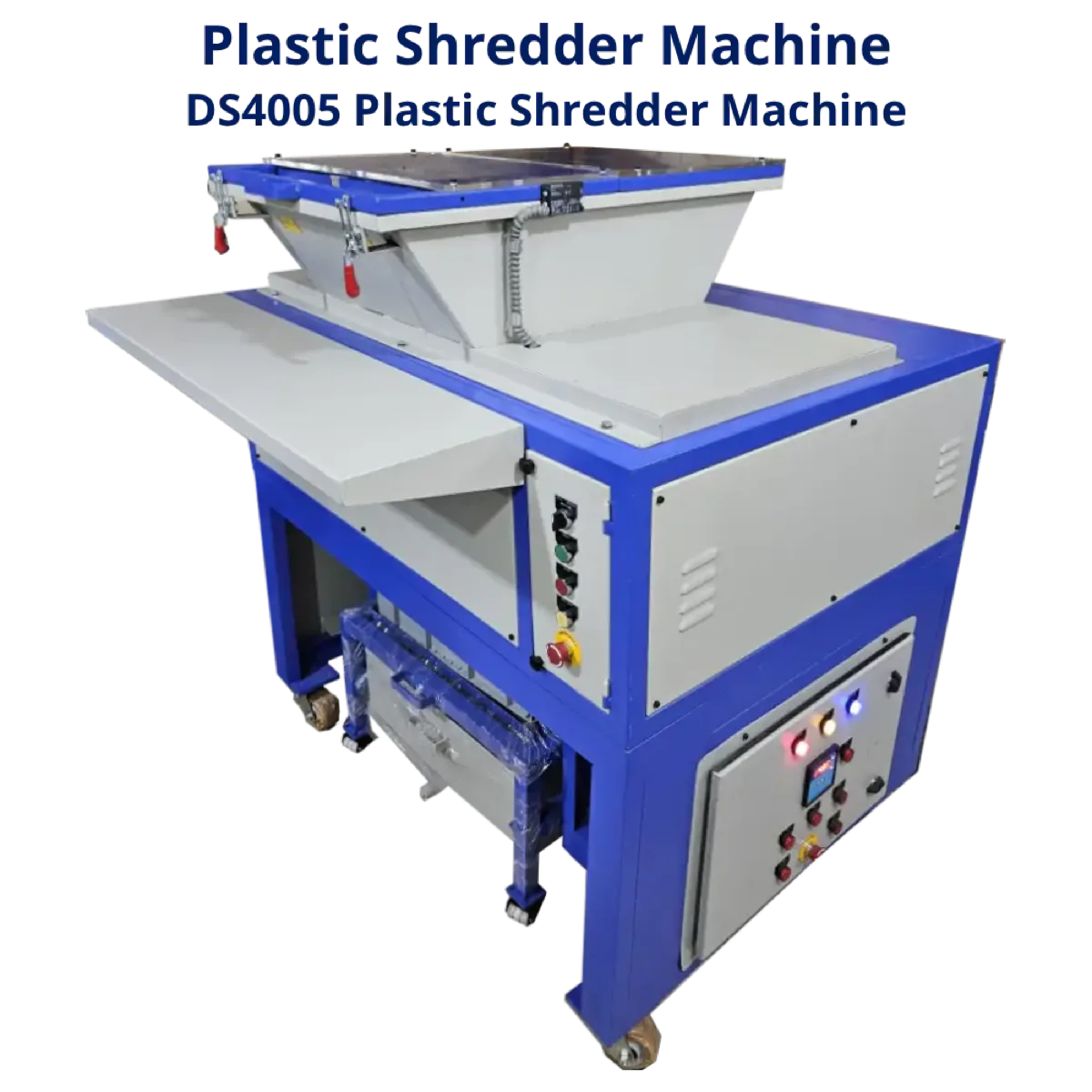
Dual-Shaft Shredder
Dual shaft shredder · all-rounder
- Capacity: sized to your stream
- Power: sized to the model
- MS build; SS-grade option available
Best for: units where non-woven bags are one stream among mixed plastic waste.
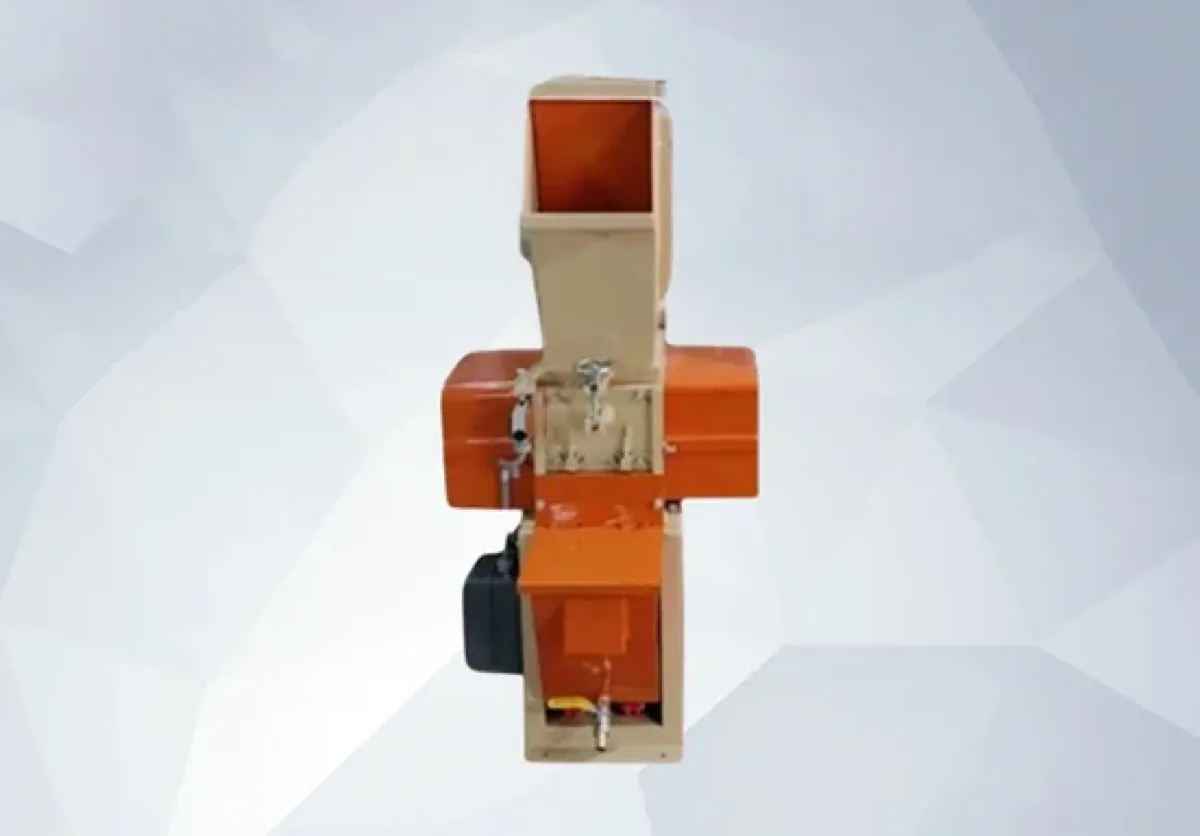
Plastic Grinder — RE Series (RE8–RE40)
Blade-type grinder · second-stage sizing
- Capacity: 35–1,200 kg/hr across seven models
- Power: 3–30 HP
- Throat sizes: 8″ × 8″ to 30″ × 30″
- 5 blades per set; overload-protection starter
Best for: grinding pre-shredded fabric to a finer size before densification — confirm on your material at a trial.
Technical Specifications Comparison
| Specification | DS5007 Dual-Shaft Shredder | Dual-Shaft Shredder | Plastic Grinder RE Series |
|---|---|---|---|
| Machine type | Dual shaft shredder | Dual shaft shredder | Blade-type grinder, 7 models |
| Motor power | Contact us for detailed specifications | Sized to the model | 3–75 HP |
| Capacity | Sized against your bag volume | Sized to your stream | 35–1,200 kg/hr |
| Output | Shredded fabric strips | Uneven shred size | Screened regrind via mesh |
| Handles | PP non-woven bags, fabric rolls, offcuts | Bags plus bottles, crates, mixed scrap | Pre-shredded material and rigid scrap |
| Construction | All-metal, no plastic parts | MS; SS-grade option | MS; 275–3,000 kg by model |
| Best for | Dedicated bag-waste lines | Mixed plastic waste | Second-stage size reduction |
| Get Quote → | Get Quote → | Get Quote → |
Not sure which machine fits your non-woven waste?
Tell our technical team your bag GSM, daily waste volume and what your PP buyer expects — we’ll recommend the right machine, free.
Why Choose Raj Electricals
A Mumbai machine builder since 1985 — non-woven bag shredding is a documented application in our dual shaft line, not a new claim.






Frequently Asked Questions
Are non-woven bags recyclable, or are they like cloth?
They are fully recyclable — non-woven bags are spunbond polypropylene, a thermoplastic, even though they feel like cloth. Once shredded and densified, the material melts and pelletizes like any other PP and goes back into molded products, sheets and general-purpose PP applications. The catch is form, not chemistry: loose bags are too light and tangly for recyclers to handle economically, which is why shredding is the first processing step in every non-woven recycling line.
Why does non-woven fabric need a dual shaft shredder instead of an ordinary grinder?
Because fabric does not behave like rigid plastic. In a high-speed blade grinder, light fabric tends to ride above the blades, wrap around the rotor and choke the screen instead of cutting cleanly. A dual shaft shredder works at low speed and high torque: two counter-rotating shafts with interlocked blades grip the fabric and tear it through, so bags cannot wrap or float. That is why Raj Electricals builds its non-woven bags shredder on a dual shaft platform.
What waste does a non-woven bag making unit typically generate?
Four streams, mainly: side trims and punch-outs from the cutting table, roll ends too short to convert, printing rejects and colour-changeover fabric, and stitched bags that fail inspection. To these, traders and retailers add unsold or non-compliant bag stock following the GSM norms under the Plastic Waste Management Rules. All of it is the same spunbond PP and can run through the same shredder — only laminated or heavily printed fabric is worth keeping as a separate lot, since buyers price it differently.
What output does the shredder produce, and who buys it?
A dual shaft machine produces shredded fabric strips of uneven size — compact enough to bag, store and transport sensibly. Buyers are PP recyclers who densify or agglomerate the shredded fabric and then pelletize it into reprocessed PP granules. If your buyer asks for a finer, more uniform feed, a second-stage pass through an RE-series plastic grinder sizes the material through a screened mesh before densification — we recommend confirming the two-stage setup on your own material at a trial.
Can the machine shred laminated or printed non-woven bags?
Mechanically, printed and laminated bags shred the same way — the dual shaft does not care about ink or a thin lamination layer. The difference shows up downstream: laminated fabric and heavy print loads affect the colour and purity of the recycled PP granule, so recyclers usually pay less for those lots and process them separately. Our advice is to sort laminated bags into their own stream before shredding, and to bring representative samples of each stream to a trial so the output is judged on what you actually process.
How much does a non woven bag shredder machine cost in India?
Every machine is quoted to the job. What moves the number is capacity, throat size, motor rating, MS or SS construction and the automation you add — a blower, a conveyor, a control panel. Our guide to what drives machine cost walks through each of those; send us your material and daily volume and we will size the machine and quote it, usually the same day.
Can I test the shredder on my own bags before purchasing?
Yes — we ask for it. Because non-woven behaviour varies with GSM, lamination and how the waste arrives (loose bags versus roll ends), we run a sample of your actual material at our Andheri East, Mumbai works before finalising the machine configuration. You see the feeding behaviour, throughput and output strip size on your own waste, and we use the same trial to size the machine and quote. Contact us to book a trial slot.
Get a Free Quote for a Non-Woven Bag Shredder
Tell us your bag GSM, waste type (offcuts, roll ends, reject bags) and daily volume — our technical team responds with a machine recommendation and firm pricing, usually within one working day. No spam, no obligation.
102/103/104, Madhu Industrial Estate, Old Nagardas Road, Mogra Lane, Andheri East, Mumbai – 400069
Mon–Sat, 9:00 AM – 7:00 PM
Related Solutions
Plastic Carry Bag Shredder
Shred polythene carry bags and poly bags from collection centres and dry-waste facilities.
Learn more →
Cement Bag Shredder
Dual shaft shredding for woven PP cement sacks — the woven cousin of non-woven fabric.
Learn more →
PP Plastic Shredding
The full polypropylene picture — crates, caps, woven sacks and furniture alongside non-woven fabric.
Learn more →