PET Bottle Shredder & Crusher Machine for Recycling
From baled post-consumer bottles to bottling-line rejects — crush PET into clean, washable flakes with a pet bottle crusher built in Mumbai since 1985. Crusher and grinder models cover 35 kg/hr to 1,200 kg/hr.
The PET Bottle Waste Challenge
PET is the most collected plastic in India — every kabadiwala network, every MRF, every bottling plant generates it. The problem is never supply; it is bulk. Empty bottles are almost all air, so a full truck of loose bottles carries very little actual material. That is why bottles move as compressed bales, and why a recycler’s economics only start working once those bales are broken open and the bottles are crushed into dense flakes that are cheap to store, transport and feed into a washing line.
The second problem is contamination. BOPP and PVC labels, HDPE/PP caps and ring seals, leftover liquid and adhesive all travel with the bottle. Flake buyers — washing lines, recycled polyester fibre (PSF) plants and rPET pelletizers — pay on flake purity and colour separation, and they discount or reject contaminated lots. With EPR obligations under the Plastic Waste Management Rules now forcing brand owners to buy recycled PET content, demand for clean flake is rising — but only processors who control crushing quality capture that margin. Sending baled bottles onward unprocessed means giving that margin away to someone else.
The Right Crushing Approach for PET Bottles
PET bottles do not need the ripping torque of a heavy dual shaft shredder — they need a sharp, high-speed cutting chamber with a screen that controls flake size. That is why our standard recommendation for bottles is a blade-type crusher/grinder: bottles are fed in whole, a five-blade rotor (3 rotating, 2 fixed) cuts them against the mesh, and only flakes that pass the screen leave the chamber. The standard mesh is 12–15 mm and can be customised, so you decide the flake size your buyer wants.
Machine selection comes down to bottle size and daily volume. The RE12 pet bottle crusher with blower handles 500 ml to 1 litre bottles at about 45 kg/hr — right-sized for a bottling plant destroying rejects or a small recycler. The RE16 plastic bottle machine takes bottles and jars up to 10 litres at 150–250 kg/hr. For flake production at scale, the RE-series plastic grinder line goes up to a 30″ throat and 450 kg/hr. Blower-fitted models convey flakes straight out of the chamber into collection bags, keeping the cutting chamber clear and the floor clean. All machines are built in MS, with SS-grade contact parts available where washed, food-grade flake is the goal — and export-voltage motors are available on request.
PET Bottle Shredding Process — From Bale to Flake
- De-baling & sorting Bales are broken open; PVC bottles, glass and foreign objects are removed by hand-sorting
- Metal check Stray metal is screened out — coins and caps with foil break blades and void flake lots
- Crushing to flakes Bottles are fed whole; the rotor cuts them against a 15 mm (customisable) mesh screen
- Blower discharge Flakes are conveyed pneumatically out of the chamber into collection bags
- Washing & float separation Downstream, labels and PO caps float off while clean PET flake sinks
- Drying & dispatch Washed flake is dried and packed for pelletizing, fibre or sheet plants
Recommended Machines for PET Bottle Shredding
Three proven options, sized by bottle volume and daily throughput. Full spec tables live on each machine page.
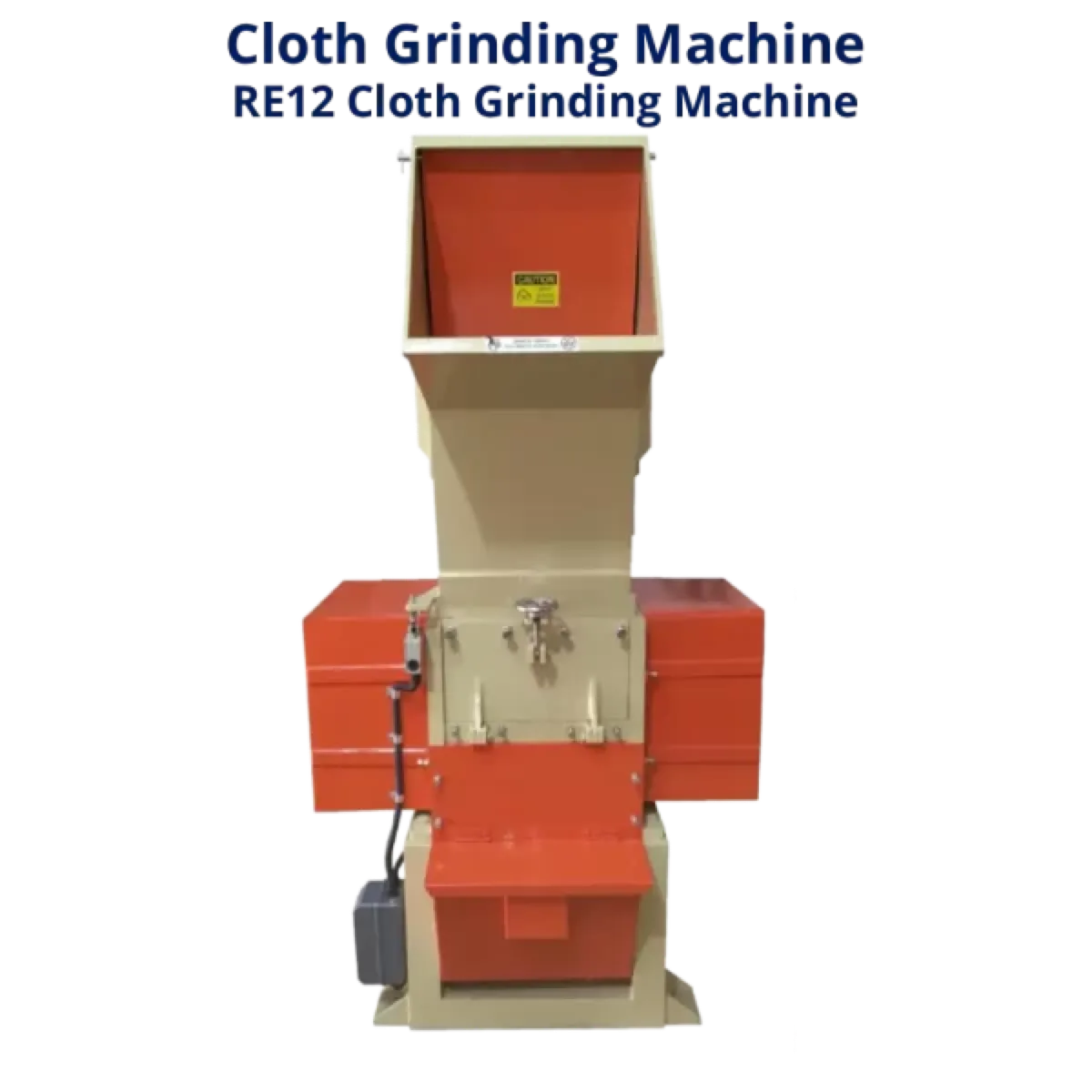
RE12CB Grinder with Blower
Semi-automatic crusher duty · blower discharge · PET bottles
- Capacity: 45 kg/hr
- Power: 5 + 1 HP
- Throat: 12″ × 12″
- Crushes bottles from 500 ml to 1 litre
Best for: bottling plants destroying rejects and small recyclers starting flake production.
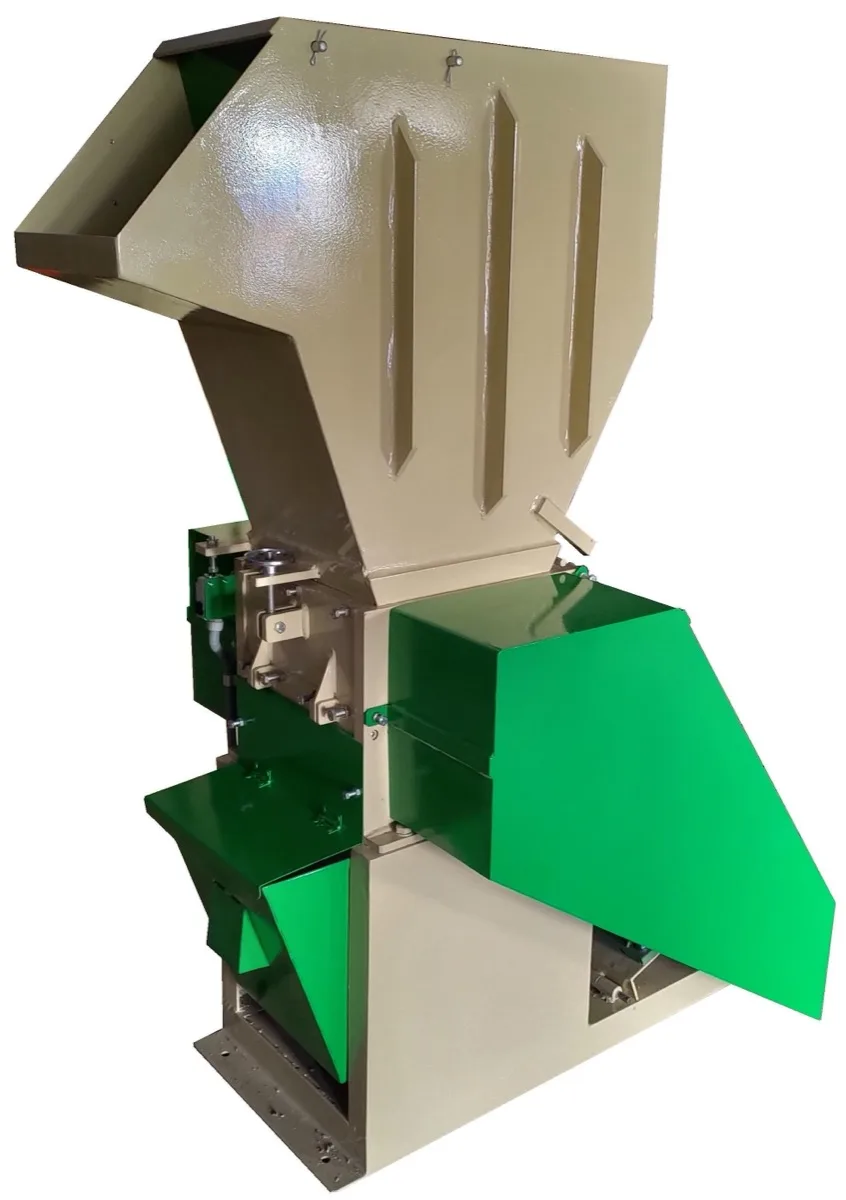
RE16 Plastic Grinder
Blade-type grinder · 16″ throat · plastic bottles & rigids
- Capacity: 150–250 kg/hr
- Power: 10 HP
- Throat: 16″ × 16″
- Handles bottles & jars up to 10 litres
Best for: mixed bottle streams — water bottles, 5 L jars and 10 L containers in one machine.
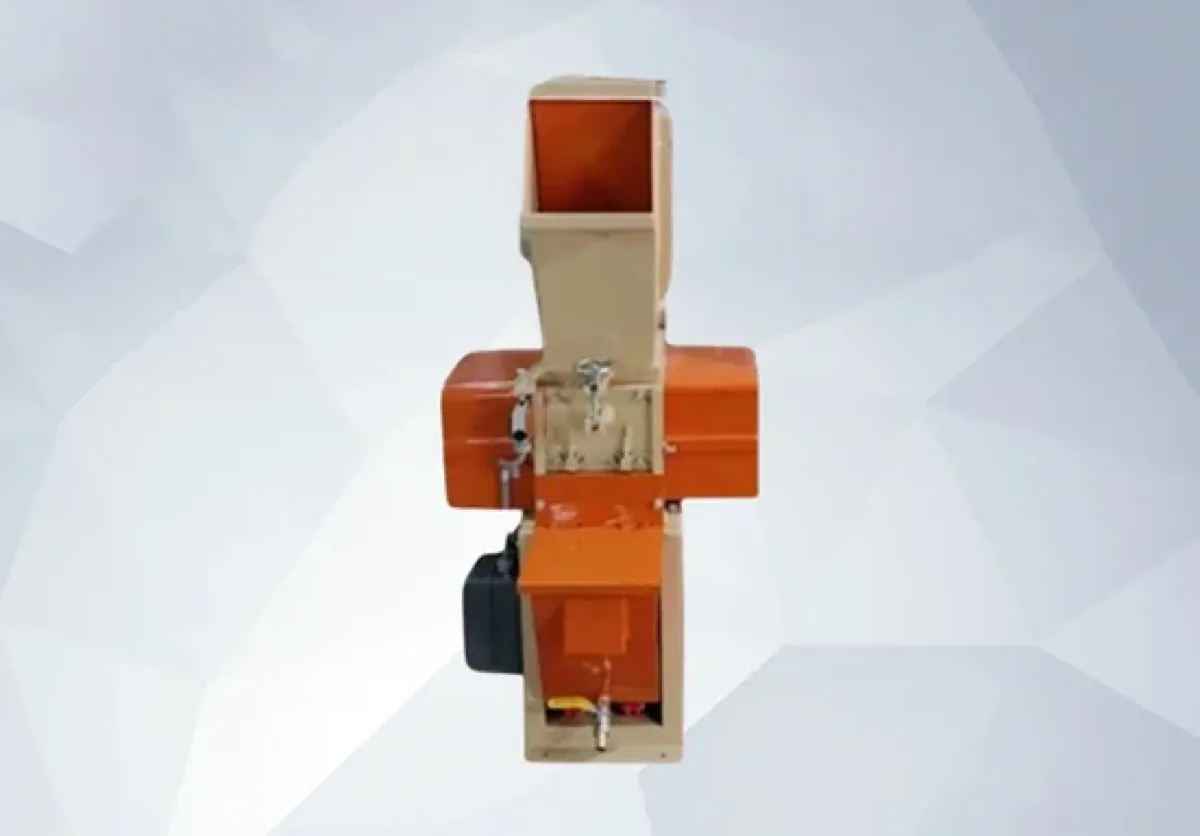
Plastic Grinder — RE Series (RE8–RE40)
Six grinder models · scale as you grow
- Capacity: 35–1,200 kg/hr across models
- Power: 3–30 HP
- Throat sizes: 8″ × 8″ to 30″ × 30″
- 5 blades per set; overload-protection starter
Best for: dedicated flake producers scaling to high-volume PET recycling.
Technical Specifications Comparison
| Specification | RE12CB Grinder with Blower | RE16 Plastic Grinder | Plastic Grinder RE Series |
|---|---|---|---|
| Machine type | Semi-automatic crusher with blower | Single-rotor bottle machine (RE series) | Blade-type grinder, 7 models |
| Motor power | 5 + 1 HP | 10 HP | 3–75 HP |
| Capacity | 45 kg/hr | 150–250 kg/hr | 35–1,200 kg/hr |
| Throat size | 12″ × 12″ | 16″ × 16″ | 8″ × 8″ to 30″ × 30″ |
| Handles | PET bottles 500 ml – 1 L | Bottles & jars up to 10 L | Up to 20 L jars; any plastic below 30″ on top models |
| Machine weight | Contact us for detailed specifications | 950 kg (approx) | 150–4,700 kg by model |
| Best for | Reject destruction, entry-level flake | Mixed bottle & jar streams | High-volume flake production |
| Get Quote → | Get Quote → | Get Quote → |
Not sure which machine fits your PET volumes?
Tell our technical team your bottle sizes, daily quantity and what your flake buyer expects — we’ll recommend the right model, free.
Why Choose Raj Electricals
A Mumbai machine builder since 1985 — the same family workshop that supplies shredders to India’s biggest FMCG and bottling names.





Frequently Asked Questions
Why crush PET bottles into flakes instead of selling baled bottles?
Margin. Baled bottles sell at scrap rates; washed, sorted flake sells to washing lines, rPET pelletizers and polyester fibre plants at substantially better prices because you have removed transport bulk and part of the contamination. Crushing also multiplies bulk density, so the same truck carries far more saleable material. For a recycler handling regular bottle volumes, the crusher typically becomes the highest-ROI machine on the floor.
Do I need to remove caps and labels before feeding bottles into the crusher?
Not individually — that would kill throughput. The standard practice is: hand-sort out PVC bottles, metal and glass before feeding (metal objects break blades), then crush bottles with caps and labels on. Downstream, a float-sink wash tank separates them — HDPE/PP caps and label fragments float, PET flake sinks. If your buyer wants unwashed flake, expect a price discount for the cap/label fraction; that is normal trade practice.
What flake size do PET washing lines need, and can the machine produce it?
The flake size is controlled by the mesh screen in the cutting chamber. Our standard mesh is 15 mm and it can be customised to your buyer’s specification — most washing lines in India work comfortably with flake in this range. Because the mesh is replaceable, you can switch flake sizes if you change buyers later, without changing machines. See the Plastic Grinder page for the full mesh and model details.
What capacity machine do I need for my daily bottle volume?
Work backwards from kilograms per day, not bottle counts. A single-shift operation (8 hours) on the RE12 crusher at about 45 kg/hr processes roughly 360 kg/day; the RE16 at 150–250 kg/hr handles 1.2–2 tonnes/day; larger RE-series grinders scale to 1,200 kg/hr. Throughput varies with bottle size and how steadily the machine is fed, so size with some headroom. Our machine selection guide walks through the calculation, or send us your numbers for a free recommendation.
How much does a PET bottle crusher machine cost in India?
Every machine is quoted to the job. What moves the number is capacity, throat size, motor rating, MS or SS construction and the automation you add — a blower, a conveyor, a control panel. Our guide to what drives machine cost walks through each of those; send us your material and daily volume and we will size the machine and quote it, usually the same day.
Can I see the machine crush my own bottles before buying?
Yes — and we encourage it. Bring a sample lot of your actual material (baled or loose) to our works at Andheri East, Mumbai, and we will run a trial so you can check flake size, throughput and output quality yourself before committing. For outstation buyers we can arrange a video trial on your material. Contact us to book a trial slot.
What maintenance does a bottle crusher need, and what about blades?
The main routine items are blade sharpening and lubrication. Blades should be resharpened periodically — frequency depends on your running hours and material cleanliness (sand and grit dull blades faster). The machines use a 5-blade set (3 rotating, 2 fixed) that is straightforward to remove and re-fit, and an overload-protection starter guards the motor. We support machines pan-India with spares and service from Mumbai.
Do you supply PET crushers for export, and what about voltage differences?
Yes. Raj Electricals has exported 50+ machines, including to the Gulf and Africa, and for export orders we fit motors built for your country’s voltage and frequency. Machines are packed for sea freight. If you are setting up a PET flake operation outside India, share your power specification with your enquiry and we will quote accordingly.
Get a Free Quote for PET Bottle Shredding Machines
Tell us your bottle sizes and daily volume — our technical team responds with a model recommendation and firm pricing, usually within one working day. No spam, no obligation.
102/103/104, Madhu Industrial Estate, Old Nagardas Road, Mogra Lane, Andheri East, Mumbai – 400069
Mon–Sat, 9:00 AM – 7:00 PM
Related Solutions
HDPE & LDPE Plastic Grinding
Grind blow-molded bottles, containers and pipes — including the HDPE caps your PET line separates out.
Learn more →
Blow Molding Scrap Grinding
PET bottles are blow molded — reprocess preform rejects, flash and startup scrap inline at the plant.
Learn more →
Plastic Drum & Barrel Shredder
For containers too big for a bottle crusher — shred 50–200 L drums and barrels before granulation.
Learn more →