Jumbo Bag & FIBC Shredder Machine for PP Raffia Recycling
Used FIBCs pile up faster than any plant can store them. Shred jumbo bags, bulk bags and woven PP raffia waste into recyclable strips with a heavy-duty dual shaft fibc shredder built in Mumbai since 1985.
The FIBC & Jumbo Bag Waste Challenge
FIBCs — flexible intermediate bulk containers, the jumbo bags that move cement, chemicals, fertilisers, resins, minerals and food ingredients in half-tonne to two-tonne lots — have a short working life. Many are single-trip by specification; food and pharma-grade bags cannot be refilled at all; and even multi-trip bags retire after a few cycles once stitching, loops or fabric show wear. Every chemical plant, cement unit and food processor that receives material in bulk bags ends up with a growing hill of empty FIBCs that are too bulky to store and too valuable to burn or bury.
The material is woven PP raffia — flat polypropylene tapes woven into a fabric that is deliberately hard to tear. Add the complications: lifting loops in thick webbing, inner PE liners stitched or loose inside the bag, label patches, and product residue clinging to the fabric — cement dust, chemical powder, food fines. Plastic packaging including woven sacks now sits squarely inside EPR obligations under the Plastic Waste Management Rules, so disposal has a compliance dimension as well as a housekeeping one. Recyclers buy shredded raffia readily; whole bags, almost nobody wants to handle.
The Right Shredding Approach for Woven PP Bags
Woven PP fabric defeats blade grinders the same way a tarpaulin defeats scissors held still — it needs to be gripped and torn, not sliced in free air. The machine for the job is a dual shaft shredder: two counter-rotating shafts with interlocked blades that pull the fabric down into the cutting chamber and shear it between hardened edges at low speed and high torque. Raj Electricals has shredded woven PP sacks for years on its dual shaft cement bags shredder — the same platform, configured for bigger, heavier bags, handles FIBC work.
Because jumbo bags vary so much — fabric GSM, coated or uncoated, with or without liners and loops — we configure the machine against your actual bags and confirm the feed approach during a trial. Bags are emptied of residue first; liners and loops can be shredded with the bag or separated beforehand depending on what your raffia buyer accepts. For plants where bulk bags are one stream among general plastic waste, a dual shaft shredder covers them alongside the rest of the stream. Where the downstream buyer wants a finer regrind rather than shredded strips, an RE-series plastic grinder can take the shredded output through a screened second stage. All machines are all-metal builds that run continuously, with export-voltage motors available on request.
Jumbo Bag Shredding Process — From Used FIBC to PP Raffia Regrind
- Emptying & residue removal Bags are inverted, shaken or beaten clean — cement dust, powders and product fines are collected separately
- Liner & loop handling PE liners and lifting loops are separated where the raffia buyer demands a clean PP stream
- Dual shaft shredding Folded bags are fed in; interlocked blades grip the woven fabric and tear it into strips
- Optional second-stage grinding Shredded raffia passes through a screened grinder where buyers want finer, denser material
- Washing & densification Downstream, shredded raffia is washed if contaminated, then agglomerated to melt-processable density
- Pelletizing & reuse Reprocessed PP granules go back into molded products, sheets and non-food woven applications
Recommended Machines for Jumbo Bag & FIBC Shredding
A woven-sack specialist, an all-rounder dual shaft, and a grinder for second-stage sizing. Full details on each machine page.
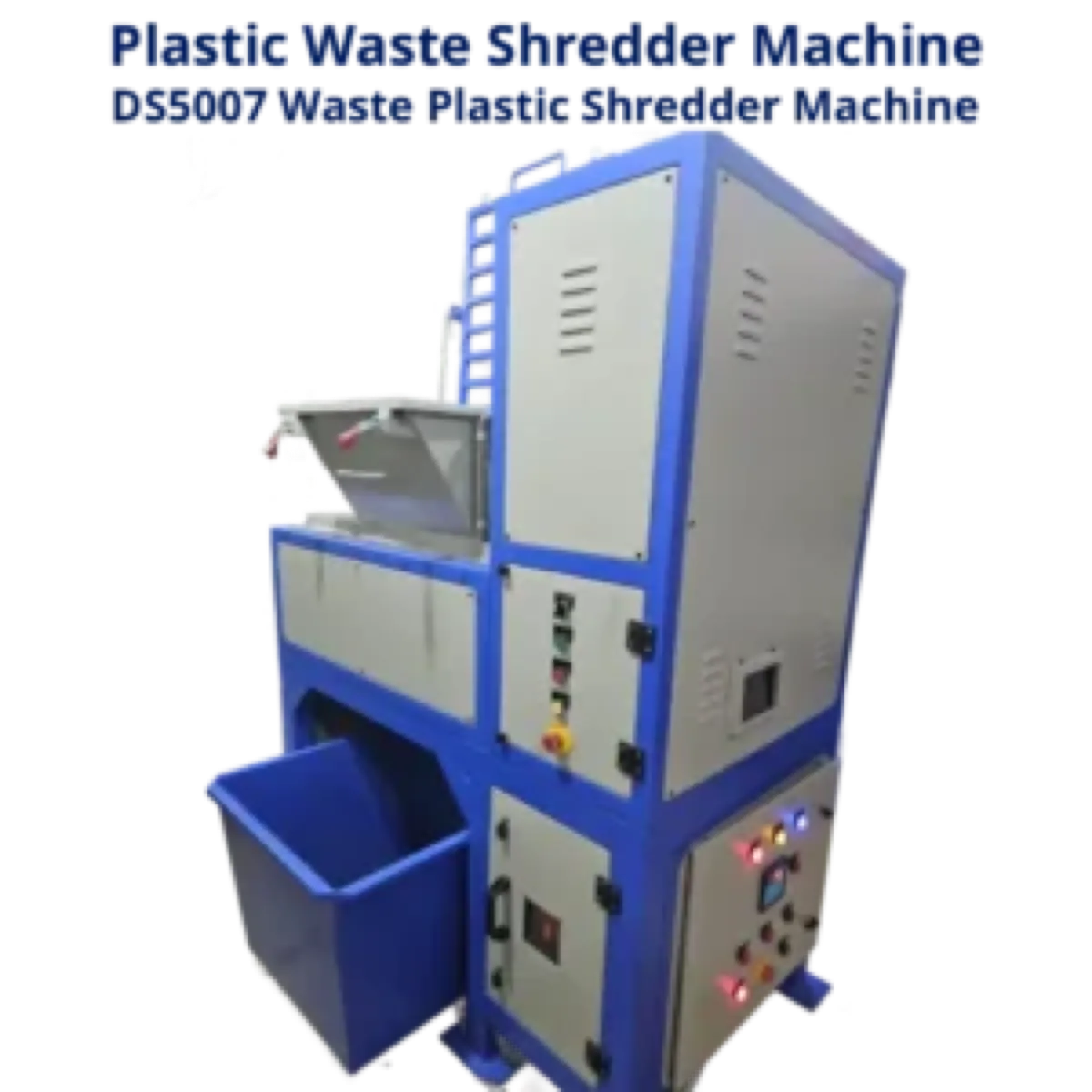
DS5007 Dual-Shaft Shredder
Dual shaft shredder · woven PP specialist
- Proven on woven PP cement sacks
- Dual shaft grip-and-tear cutting action
- Configured to order for FIBC and bulk bags
- Specifications shared on enquiry against a bag sample
Best for: dedicated woven sack and jumbo bag recycling lines.
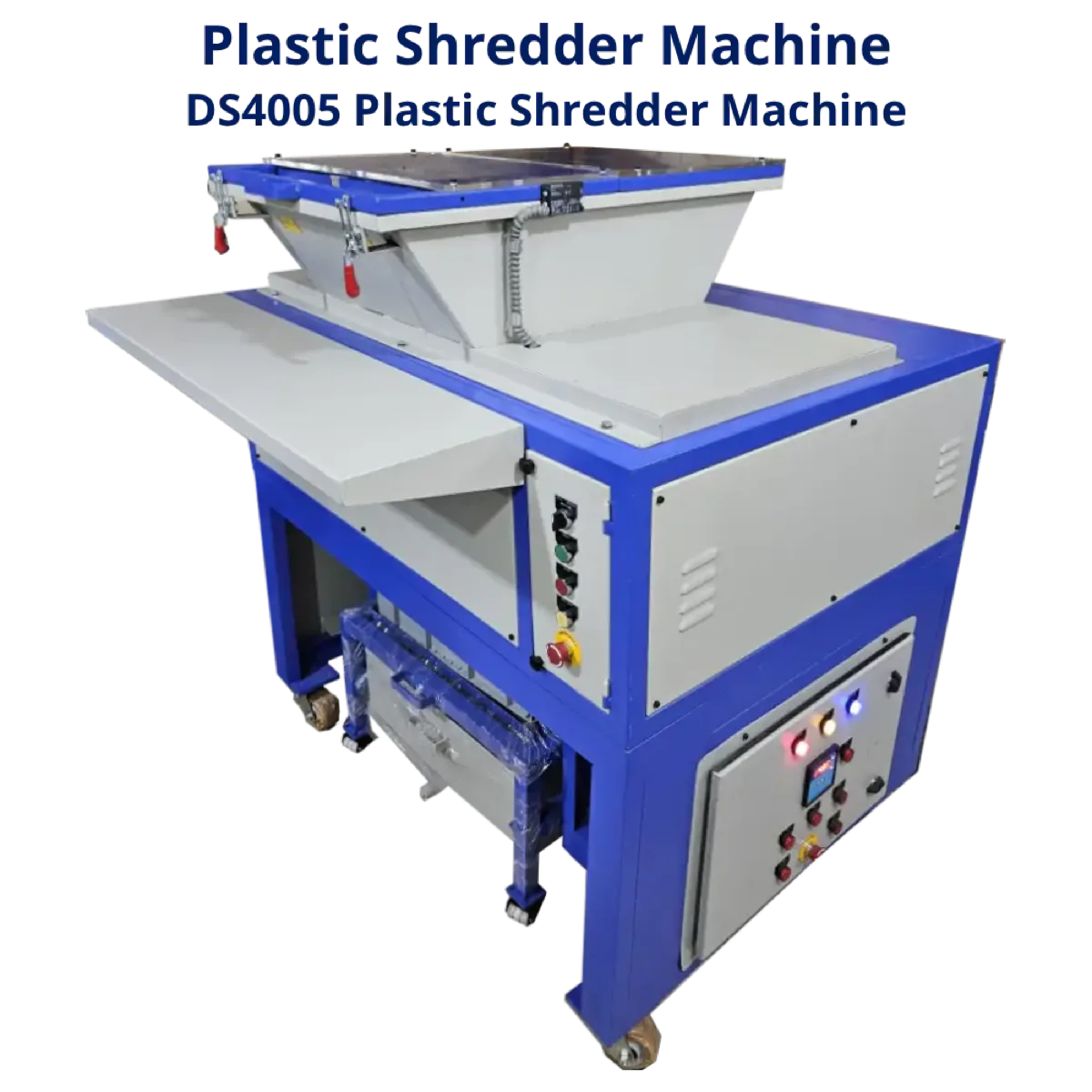
Dual-Shaft Shredder
Dual shaft shredder · all-rounder
- Capacity: sized to your stream
- Power: sized to the model
- MS build; SS-grade option available
Best for: plants where bulk bags arrive alongside drums, crates and mixed plastic scrap.
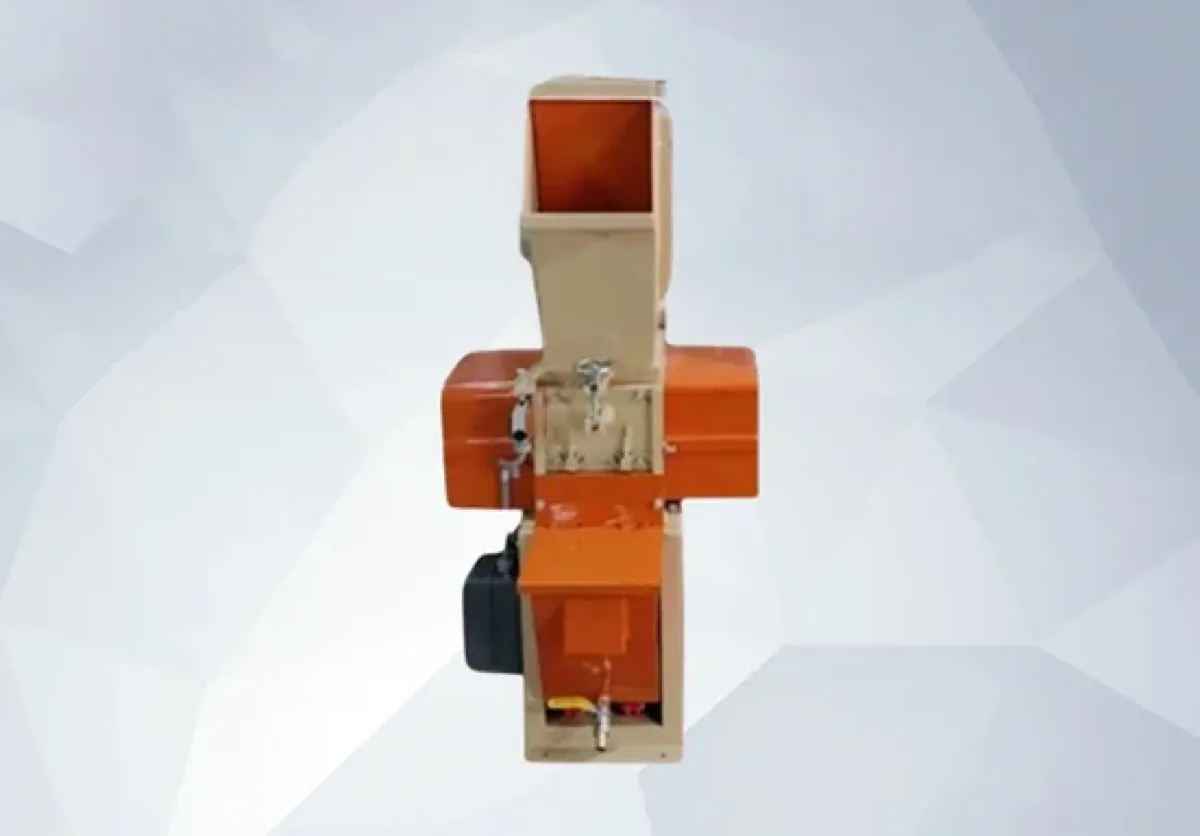
Plastic Grinder — RE Series (RE8–RE40)
Blade-type grinder · second-stage sizing
- Capacity: 35–1,200 kg/hr across seven models
- Power: 3–30 HP
- Throat sizes: 8″ × 8″ to 30″ × 30″
- 5 blades per set; overload-protection starter
Best for: sizing pre-shredded raffia through a screen before densification — confirm on your material at a trial.
Technical Specifications Comparison
| Specification | DS5007 Dual-Shaft Shredder | Dual-Shaft Shredder | Plastic Grinder RE Series |
|---|---|---|---|
| Machine type | Dual shaft shredder | Dual shaft shredder | Blade-type grinder, 7 models |
| Motor power | Contact us for detailed specifications | Sized to the model | 3–75 HP |
| Capacity | Sized against your bag volume | Sized to your stream | 35–1,200 kg/hr |
| Output | Shredded woven strips | Uneven shred size | Screened regrind via mesh |
| Handles | Woven PP sacks; FIBC configured to order | Bags plus drums, crates, mixed scrap | Pre-shredded material and rigid scrap |
| Construction | All-metal, no plastic parts | MS; SS-grade option | MS; 275–3,000 kg by model |
| Best for | Dedicated FIBC/sack lines | Mixed plastic waste | Second-stage size reduction |
| Get Quote → | Get Quote → | Get Quote → |
Not sure which machine fits your jumbo bag volumes?
Tell our technical team your bag type, what was carried in them and how many you generate monthly — we’ll recommend the right machine, free.
Why Choose Raj Electricals
A Mumbai machine builder since 1985 — woven PP bag shredding is a documented application in our dual shaft line, supplied to India’s biggest manufacturing names.




Frequently Asked Questions
Can used FIBC jumbo bags actually be recycled?
Yes — the bag body is woven polypropylene raffia, a clean thermoplastic that recyclers actively buy. Shredded, washed and agglomerated, it pelletizes into reprocessed PP for molded products and non-food woven applications. What blocks recycling is never the polymer; it is the form (a bag too tough and bulky to handle), the attachments (PE liners, webbing loops) and the residue from the previous cargo. Solve those three with sorting and shredding, and used FIBCs convert from a disposal liability into a saleable raw material.
Do I need to remove PE liners and lifting loops before shredding?
It depends on your buyer, not the machine. The dual shaft shredder will tear liner, loops and bag body together — but the output is then a PP/PE mix, which raffia buyers discount or refuse. If you sell to a quality-conscious PP recycler, pull loose liners out and cut away loops before feeding; if the output goes to a mixed-plastic stream, shred everything together. We recommend settling this at the trial stage with a sample of your actual bags, so the operating procedure matches the price your buyer pays.
Our bags carried cement and chemicals — how is residue handled?
Empty them properly before shredding: invert, shake or beat the bags and collect the fines separately. Powder residue accelerates blade wear (cement dust is abrasive) and contaminates the shredded raffia, which costs you at the weighbridge. For chemical residues, follow your plant’s decontamination norms before the bags enter the waste stream — a shredder reduces size; it does not neutralise chemistry. Washed-and-dried bags shred cleanest and fetch the best raffia prices; for visibly contaminated lots, plan a downstream washing stage after shredding.
Why won’t a normal grinder or cutting machine work on woven PP raffia?
Woven raffia is engineered to resist tearing — that is its job when 1,500 kg of cargo hangs in it. In a high-speed blade grinder the fabric flexes away from the blades, rides the rotor and wraps around it until the machine stalls. A dual shaft shredder defeats this by gripping: interlocked blades on counter-rotating shafts pull the fabric positively into the shear zone at low speed and high torque. The same grip-and-tear principle is why our dual shaft shredders handle cement bags, carry bags and non-woven fabric that defeat ordinary grinders.
How many jumbo bags per hour can the machine shred?
Think in kilograms, not bag counts — FIBC weights vary widely with size, GSM and whether loops and liners are included. A dual shaft shredder processes plastic waste at a rate set by the model, your feed rate and material density; a dedicated bag shredder is sized against your stated monthly bag volume. Weigh a representative sample of your empty bags, multiply by your monthly generation, and send us the figure — we will recommend a machine with sensible headroom rather than one running flat-out from day one.
What does a jumbo bag shredder machine cost in India?
Every machine is quoted to the job. What moves the number is capacity, throat size, motor rating, MS or SS construction and the automation you add — a blower, a conveyor, a control panel. Our guide to what drives machine cost walks through each of those; send us your material and daily volume and we will size the machine and quote it, usually the same day.
Can you run a trial on our actual bags before we buy?
Yes, and for FIBC work we insist on it. Jumbo bags vary so much in fabric weight, coating and attachments that a paper specification never tells the whole story. Bring or courier a sample lot of your bags to our works at Andheri East, Mumbai; we run them through the machine, agree the feed method (folded whole or sectioned), and check the output strip against what your raffia buyer wants — then quote the configuration that produced it. Contact us to arrange a trial.
Get a Free Quote for a Jumbo Bag / FIBC Shredder
Tell us your bag type, previous cargo and monthly volume — our technical team responds with a machine recommendation and firm pricing, usually within one working day. No spam, no obligation.
102/103/104, Madhu Industrial Estate, Old Nagardas Road, Mogra Lane, Andheri East, Mumbai – 400069
Mon–Sat, 9:00 AM – 7:00 PM
Related Solutions
Cement Bag Shredder
The smaller woven PP cousin — shred 50 kg cement sacks on the same dual shaft platform.
Learn more →
Non-Woven Bag Shredder
Spunbond PP fabric bags, offcuts and roll ends from bag-making units, shredded for PP recovery.
Learn more →
PP Plastic Shredding
The full polypropylene picture — crates, caps, furniture and woven sacks across one machine line.
Learn more →