Plastic Waste Recycling Plant: The Machines and What Decides the Cost
Planning a plastic recycling business starts with three questions: what plastic you will take in, what you will sell, and how much you will process each day. This guide walks through the stages of a plastic waste recycling plant, the machines in each, and what decides the cost of a plastic recycling machine. Raj Electricals has been manufacturing since 1985, and our part of the line is size reduction: the shredders and grinders.
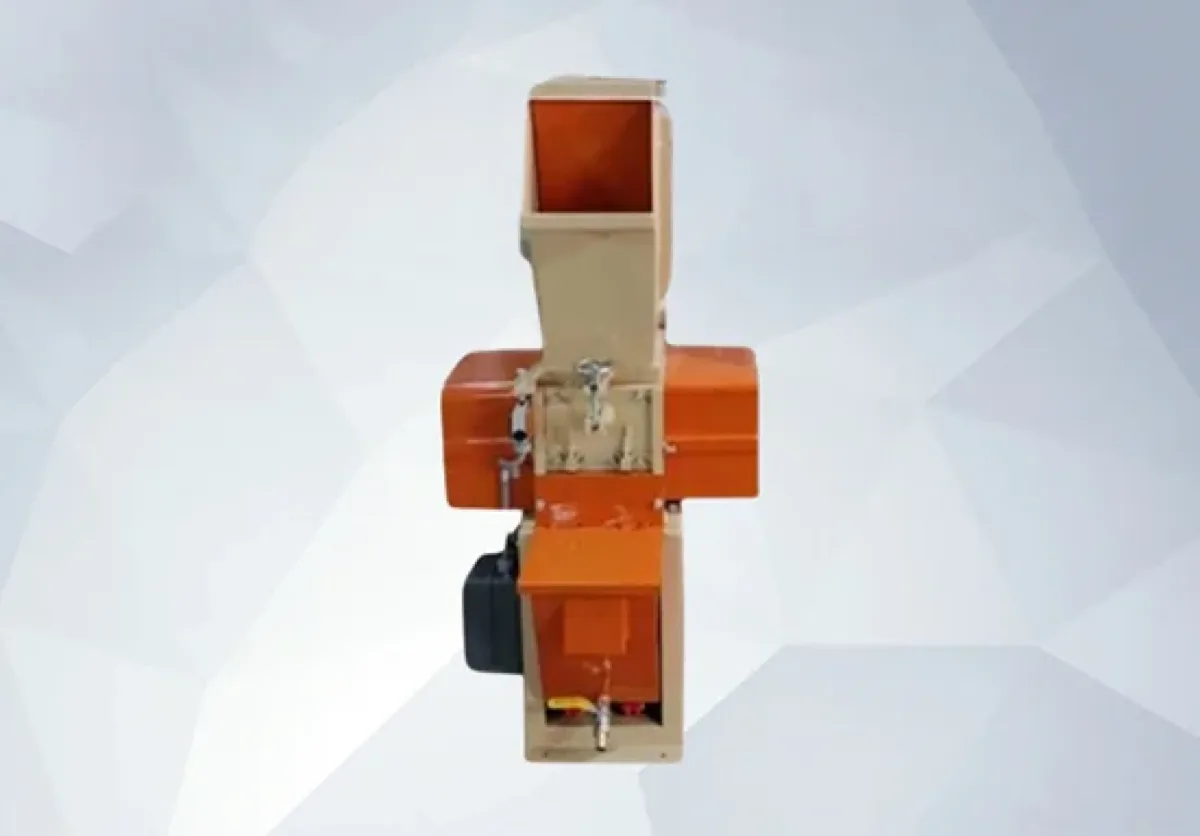
How a plastic waste recycling plant works
A recycling plant turns plastic scrap into material that a processor can melt and form again. Plants differ in size, but the work runs in the same order:
- Sort Separate by polymer and colour, and take out metal, stones, paper and wet waste
- Shred Break bales, bags, film, drums, crates and lumps into coarse pieces
- Grind Cut the pieces into uniform flakes through a screen
- Wash and dry Remove dirt, labels and residue where the scrap needs it
- Pelletise Melt, filter and cut the clean flakes into granules
- Sell Regrind, flakes or granules go to processors and moulders
Not every plant runs every stage. Clean factory scrap of one polymer, such as moulding rejects, often needs only grinding. Post-consumer waste from households and collection centres needs sorting, shredding and washing before a processor will buy it. And you can stop after grinding and sell flakes, or run the full line and sell granules. What you take in and what you sell shape the whole plant.
The machines in a plastic recycling plant
A full line holds these machines, each sized to your throughput:
| Stage | Machine | What it does | What decides its size |
|---|---|---|---|
| Sorting | Sorting table or conveyor | Separates polymers and colours, removes metal, stones and paper | Tonnes a day, and how mixed the waste is |
| Shredding | Single shaft or double shaft shredder | Cuts bales, film, drums, crates and lumps into coarse pieces | The size and toughness of the material as it arrives |
| Grinding | Grinder (granulator) with a screen | Cuts the pieces into uniform flakes or regrind | Throughput, and the flake size your buyer wants |
| Washing | Washing tanks, friction washer, sink-float tank | Removes dirt, labels and residue | How dirty the scrap is |
| Drying | Centrifugal dryer, or a squeezer for film | Removes water before storage or extrusion | Throughput and material |
| Densifying (film) | Agglomerator | Turns light film into crumb that an extruder can feed | How much of your intake is film |
| Pelletising | Extruder with melt filter and pelletiser | Melts, filters and cuts the plastic into granules | Throughput, and the purity your buyers need |
Raj Electricals builds the shredding and grinding stages. Our single shaft shredder range takes thick, solid scrap, our double shaft shredder range takes bulky, flexible and mixed waste, and our grinder machine for plastic range cuts it to uniform regrind, with cyclone blower models that convey the regrind into bags. Plan the stages together: the grinder’s flake size and hourly output must suit the washing line and extruder that follow it.
Plastic recycling plant cost: what decides it
There is no standard plastic recycling plant price. Two plants with the same capacity can need very different machines, and a figure given before your material and volume are known is a guess. The plastic waste recycling plant cost comes from these decisions:
- What you take in. Clean scrap of one polymer needs fewer stages than mixed post-consumer waste. Film, rigid plastic and thick lumps each need a different shredder.
- What you sell. Regrind and flakes stop after grinding. Granules add washing, drying and an extrusion line, and with them more power, water, floor space and staff.
- How much you process. The kilograms you take in each day, divided by the hours you run, set the size of every machine. Two shifts on a smaller line can do the work of one shift on a larger line.
- The site. Floor area, foundations, water, and a three-phase power connection sized for every motor in the line. A washing line also needs a way to treat its waste water.
That is why we do not publish a plant price. For the shredding and grinding stage, we size the machines to your material and volume and quote them.
What decides the cost of a plastic recycling machine
Inside the line, each plastic recycling machine is priced by the work it must do. For a shredder or grinder, five things decide the quotation:
- Model and capacity. Our RE grinders run from 35–45 kg/hr on the RE8 to 1,000–1,200 kg/hr on the RE40, on a 15 mm screen. The S3 single shaft shredders run from 300–500 kg/hr on the S3-600 to 600–800 kg/hr on the S3-1000, and the dual shaft range from 250-350 kg/hr on the DS4005 to 2600-3000 kg/hr on the DS1080.
- The material. Film, bottles, thick lumps and abrasive FRP load a machine in different ways, so the material decides the type of machine and its size. Capacity also varies with the material, its bulk density and the feed rate.
- The motor. Power rises with capacity: from 3 HP to 75 HP across the seven RE grinder sizes, and from 5.0 HP to 80.0 HP across the 13 dual shaft models.
- Options. A cyclone blower that conveys the regrind into bags, a control panel or a conveyor.
- Feeding and discharge. How material reaches the machine and leaves it: by hand or by conveyor, and out into bags or straight into the next machine.
Every machine carries a 1 year manufacturer warranty against manufacturing defects, plus lifetime service and spares support. Our plastic shredder machine price guide explains each factor in more detail. To have a machine sized and quoted for your material, contact us with what you process and how much.
Where shredders and grinders fit, by material
The size reduction stage changes with the plastic you collect. For the common streams:
- PET bottles go straight into a grinder, often one with a cyclone blower for light bottles. See our plastic bottle recycling machine page.
- HDPE and LDPE bottles, cans and jerry cans are ground directly in an RE grinder of the right throat size. See the HDPE grinder machine page.
- Carry bags and loose film tend to wrap around fast rotors, so they go through a dual shaft shredder first, then on to washing and an agglomerator. Our carry bag shredder page explains that line.
- Crates and drums are shredded on a dual shaft machine or the S3-600, then ground. See the plastic crate shredder page.
- Purge lumps and thick rejects go to a single shaft shredder such as the S3-600, then to a grinder. See the plastic lumps shredder page.
- Moulding sprues, runners and rejects need only a grinder. See the injection moulding scrap grinder page.
For how the two stages divide the work, read our guide to shredding plastic for recycling. To compare the two kinds of shredder, see single shaft vs double shaft shredder.
Planning a recycling unit?
Talk to our technical team about the shredding and grinding stage: the machine for your material, the size for your volume and the output your buyers want.
Plastic recycling plant FAQs
How much does a plastic waste recycling plant cost?
It depends on what you take in, what you sell and how much you process. A line that sorts and grinds clean factory scrap needs far fewer machines than one that washes post-consumer waste and turns it into granules, and the site and approvals add to both. For the shredding and grinding stage, send us your material and daily volume and we will size the machines and quote them.
What is the cost of a plastic recycling machine?
Each machine is quoted to its job. The price follows the model and its capacity, the material, the motor, the options (a cyclone blower, a control panel, a conveyor) and the feeding and discharge you need. Our plastic shredder machine price guide explains each factor. Send us your material and daily volume and we will send a quotation.
What machines does a plastic recycling plant need?
At the least, a way to sort and a way to reduce size: a shredder for bulky, tough or flexible waste and a grinder (granulator) that cuts it to uniform flakes. To sell granules you add washing, drying and an extrusion line with a pelletiser, and for film an agglomerator. Scrap that already fits a grinder’s throat, such as bottles and moulding rejects, can skip the shredder.
Can I start a plastic recycling unit with just a shredder or a grinder?
Yes, if your buyers take regrind or flakes. A unit can start by sorting and size-reducing one material, sell the output to processors, and add washing and pelletising once its supply of scrap is steady. Choose the machine for the material you will actually receive: a grinder for bottles and moulding scrap, a shredder first for bags, film, drums and lumps.
How do I decide the capacity of my plant?
Start from the scrap you can reliably collect each day, divide it by the hours you will run, and leave headroom so that no machine works at its rated limit all shift. Rated capacity varies with the material, its bulk density and the feed rate, so size each machine on your own material. Our guide to plastic shredder capacity walks through the sizing step by step.
Get a Quote for Your Shredding and Grinding Stage
Tell us which plastics you will take in and in what form, how many kilograms a day, whether the scrap needs washing, and what you plan to sell. Our technical team will recommend the shredder and grinder for your line and send a quotation.
Phone: +91 98700 12462
WhatsApp: Chat with our team
Email: rajelectricalsmumbai@gmail.com
Hours: 9:00 AM – 6:00 PM, all seven days
Continue exploring
Shredding and Grinding Plastic
How shredders and granulators divide the work, and which comes first. Learn more →
All Machines
Specifications for every shredder, grinder and granulator we build. Learn more →
Price Guide
What decides the price of a shredder or grinder, and how to get a quotation. Learn more →